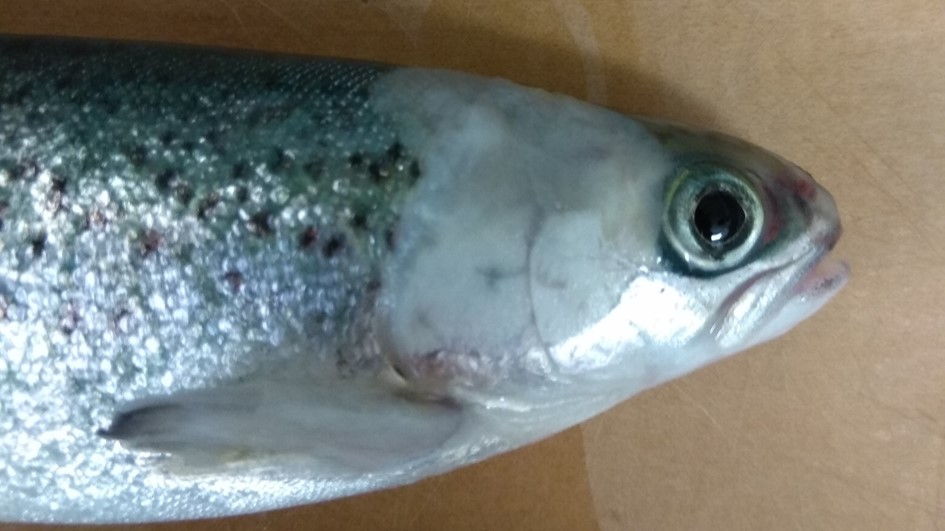
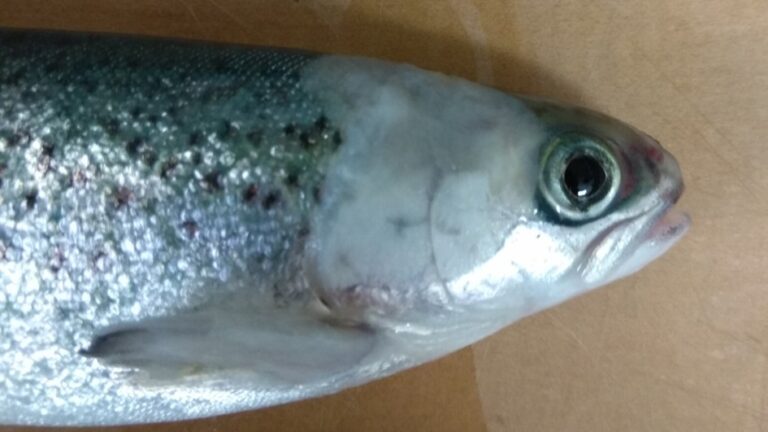
An estimated 10% of salmon become infected with Saprolegnia species each year. At present, there is no efficient treatment available, and therefore, saprolegniosis has become an increasing problem worldwide. Vaccine trials have been conducted, exploring a classical and a reverse vaccinology approach, while testing DNA vaccinations as a means of immunization. The DNA vaccination of Atlantic salmon with each of ten mixtures of six genes coding for S. parasitica protein candidates did not show any significant effects in terms of protection. Vaccination with a protein homogenate did not protect against infection either, but it reduced the disease pathology. The trials provided strong evidence that DNA vaccination of Atlantic salmon with S. parasitica genes can drive heterologous gene expression in salmon myocytes and a simple and efficient protocol was developed for detecting proteins in muscle samples.
Addressing target audiences and expressing needs
- Business partners – SMEs, Entrepreneurs, Large Corporations
We would be interested to collaborate with the aquaculture industry to continue the vaccination research to investigate why the disease severity is reduced but did not give better protection. This would give us clues in finding solutions to optimise vaccination methods against Saprolegnia.
- Other Actors who can help us fulfil our market potential
R&D, Technology and Innovation aspects
We are searching for good immunogenic targets to be used as vaccines against Saprolegnia parasitica. At the moment, we have a possible route in, but much more research is required. The DNA vaccination method did not provide any protective candidates. However, the protein-based vaccine showed reduced disease signs which is promising and needs to be investigated further.