
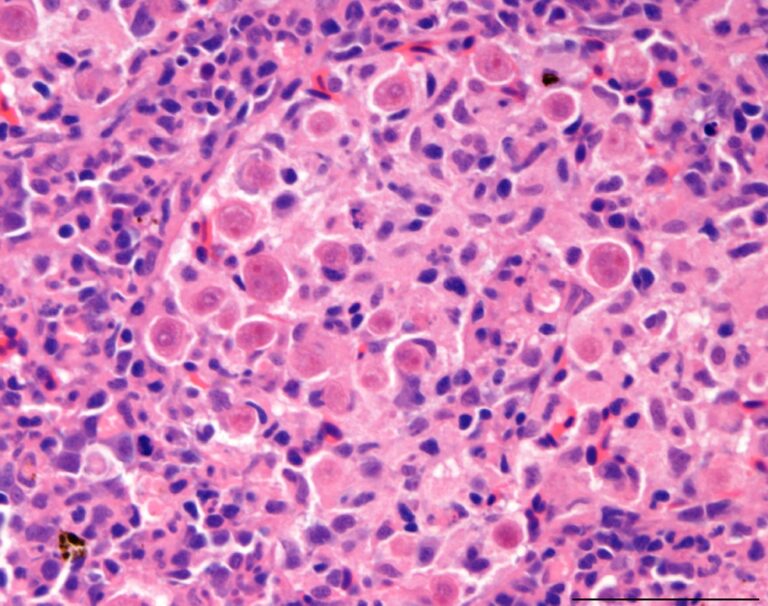
Proliferative Kidney disease (PKD) in fish is caused by the parasite T. bryosalmonae and can cause massive economic damage for European aquaculture companies. Combining comparative parasite transcriptomics with functional approaches provides a solid foundation for antigen selection for vaccine studies and identification of other targets for drug intervention. Vaccine candidates for PKD were identified and selected for testing in field trials at a rainbow trout fish farm. The vaccines were initially developed as DNA vaccines, with multiple antigens delivered simultaneously to the fish. Subsequently individual molecules were tested, with codon optimisation for expression in trout a key refinement. The most promising vaccine candidate was also tested as a recombinant protein, in an adjuvanted vaccine. Full protection against PKD was not achieved, however, partial protection was seen using specific antigens, and a combined pool of other antigens. This was evidenced as reduced “higher” pathologies during PKD infection and reduced (kidney) parasite load. These findings are promising and represent a positive step towards the future development of a vaccine for PKD.
Addressing target audiences and expressing needs
- Grants and Subsidies
- Business partners – SMEs, Entrepreneurs, Large Corporations
- Collaboration
More funding and other partners in research institutions/universities/ industry to further develop the DNA and protein-based vaccination protocols required and further optimization to improve current efficacy levels, including extending the repertoire of target antigens. We have had and will continue to have discussions with industry representatives in taking this work forward.
- Public or private funding institutions
- Other Actors who can help us fulfil our market potential
- Research and Technology Organisations
- Academia/ Universities
R&D, Technology and Innovation aspects
We have utilized comparative transcriptomics and development of functional tools to aid identification of suitable targets for vaccine studies and testing for protection efficacy in field trials mainly via DNA immunization (TRL1-2). We have made positive steps in identifying some level of protection efficacy but require further studies to further optimize and testing of different antigens.
